DS-GVO-Video-Compliance blur & redaction
EU privacy-compliant video blur for faces, plates, and PII—technical measures supporting GDPR Article 5 data minimization.
GDPR Article 5(1)(c) requires data minimization: collect and process only personal data adequate and necessary for your purpose. For video, that means blurring identifiable faces, plates, and PII when the specific identity isn't essential to your use case.
Identify personal data in video: faces, plates, documents, readable text.
Built for EU-based businesses, multinationals with EU operations, and compliance officers managing video data.
Identify personal data in video
Locate faces, plates, documents, and readable text that constitute personal data under GDPR.
Apply blur to minimize identifiable information
Blur regions per GDPR Article 5 data minimization—only obscure what's necessary for your use case.
Document blur decisions
Record blur decisions in your processing records and DPIA if applicable before publication.

What this example demonstrates
GDPR fines averaged €4.8M in 2026 with enforcement targeting unnecessary personal data retention. Video blur is a technical measure demonstrating good-faith compliance when combined with legal documentation and consent frameworks.
Why teams use this pattern
Blur is not a silver bullet—GDPR compliance also requires lawful basis, data subject rights, retention policies, and DPIAs—but it's a visible, auditable step controllers can implement before publication.

Common use cases
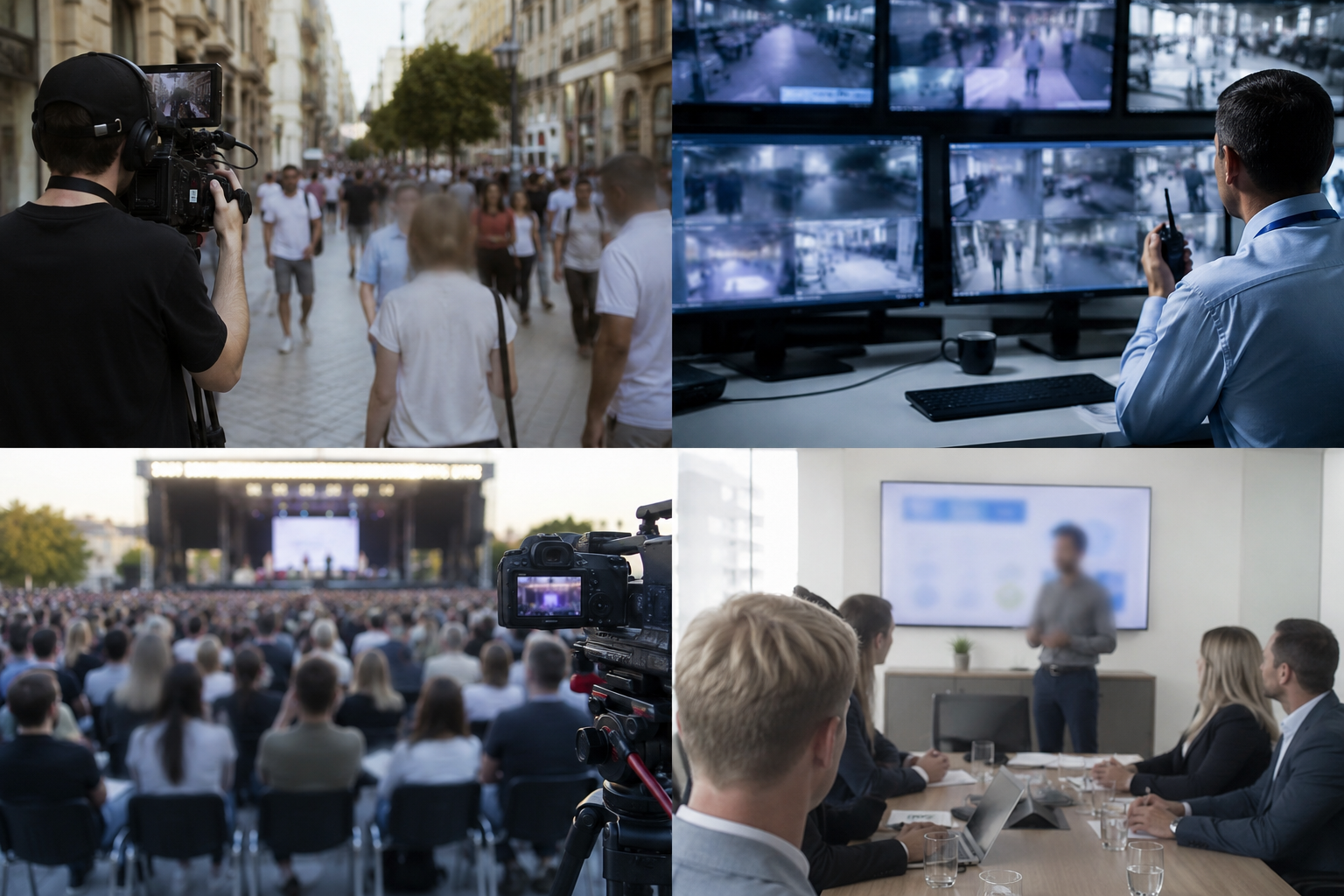
Teams reach for this workflow when public space recordings for marketing in eu markets; cctv footage shared externally for investigations; event coverage with attendees in eu jurisdictions; corporate training videos with eu employee data. BGBlur automates detection so these scenarios stay publishable without days in a timeline.
Built for EU-based businesses and organizations and Multinational corporations with EU operations
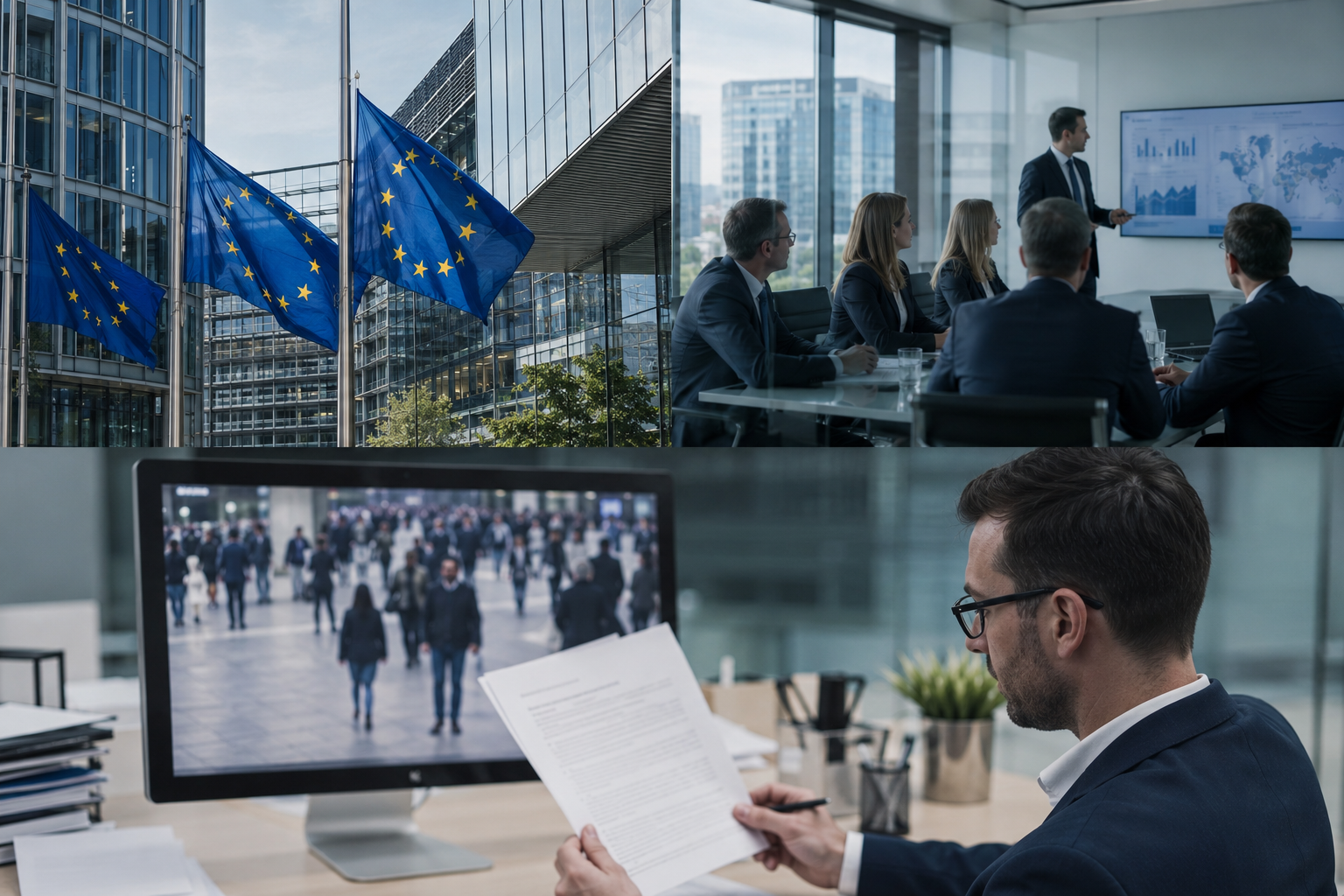
Ideal audiences include EU-based businesses and organizations, Multinational corporations with EU operations, Marketing teams targeting EU audiences, Data protection and compliance officers. Pair this example with your policy review when footage is sensitive or public-facing.
Anwendungsfälle
- Öffentliche Raumaufzeichnungen für Marketing in EU-Märkten
- CCTV-Filmmaterial geteilt extern für Untersuchungen
- Veranstaltungsdeckung mit Teilnehmern in EU-Rechtssachen
- Corporate Training Videos mit EU-Mitarbeiterdaten
Für wen es gedacht ist
- EU-basierte Unternehmen und Organisationen
- Multinationale Unternehmen mit EU-Operationen
- Marketingteams, die auf EU-Publikum abzielen
- Datenschutz und Compliance Officers
Weitere Video-Weichzeichner-Beispiele
Erkunden Sie ähnliche Szenarien mit denselben Demo-Clips und Schritt-für-Schritt-Anleitungen.
Gesicht verschwimmt im Sprechkopf Video
Automatische Gesichtserkennung und Blendung für Interviews, Podcasts und Vlogs – bewegte sich so, dass Identitäten geschützt bleiben.
Kennzeichenschild in Straße & Dashcam
Verstecken Sie lesbare Platten im Verkehr, Parken und Reiten – ideal für Motovlogs und Standortschießen.
Blur alles: Logos, Text & benutzerdefinierte Regionen
Target willkürliche Bereiche – Logos auf Hoodies, On-Screen-Adressen, Signage – mit präziser AI-gestützter Auswahl.
Hintergrundverwischung für filmische Fokussierung
Weichen oder ersetzen beschäftigte Hintergründe, so stehen Themen heraus – für Webinare, Bewertungen und Produktdemos zu Hause gefilmt.
Häufig gestellte Fragen
- Befriedigt die Einwilligungspflicht der DSGVO?
- Blur ist eine Minimierungstechnik, kein Ersatz für rechtmäßige Grundlage; Sie brauchen immer noch Zustimmung, berechtigtes Interesse oder eine andere Rechtsgrundlage nach Artikel 6.
- Können verwundete Gesichter unter DSGVO als anonym angesehen werden?
- Die DSGVO-Recital 26 sagt, dass die Daten anonym sind, wenn niemand Personen neu identifizieren kann; starke irreversible Unschärfe können qualifizieren, aber immer mit Rechtsberatung für Ihren spezifischen Kontext überprüfen.
- Was ist mit Zugriffsanfragen der betroffenen Person?
- Wenn jemand das Löschen ihres Bildes fordert, kann die bläuige Anwendung nach dem Request eine Alternative zur vollständigen Löschung sein, wenn der Kontext des Videos erforderlich ist; dokumentieren Sie Ihre Rechtfertigung.
Bereit, dies mit Ihren eigenen Aufnahmen zu versuchen?
Laden Sie MP4, MOV oder M4V hoch und wenden Sie dieselben Weichzeichnungsmodi wie in diesem Beispiel an.
BGBlur kostenlos testen